.jpg)
.jpg)
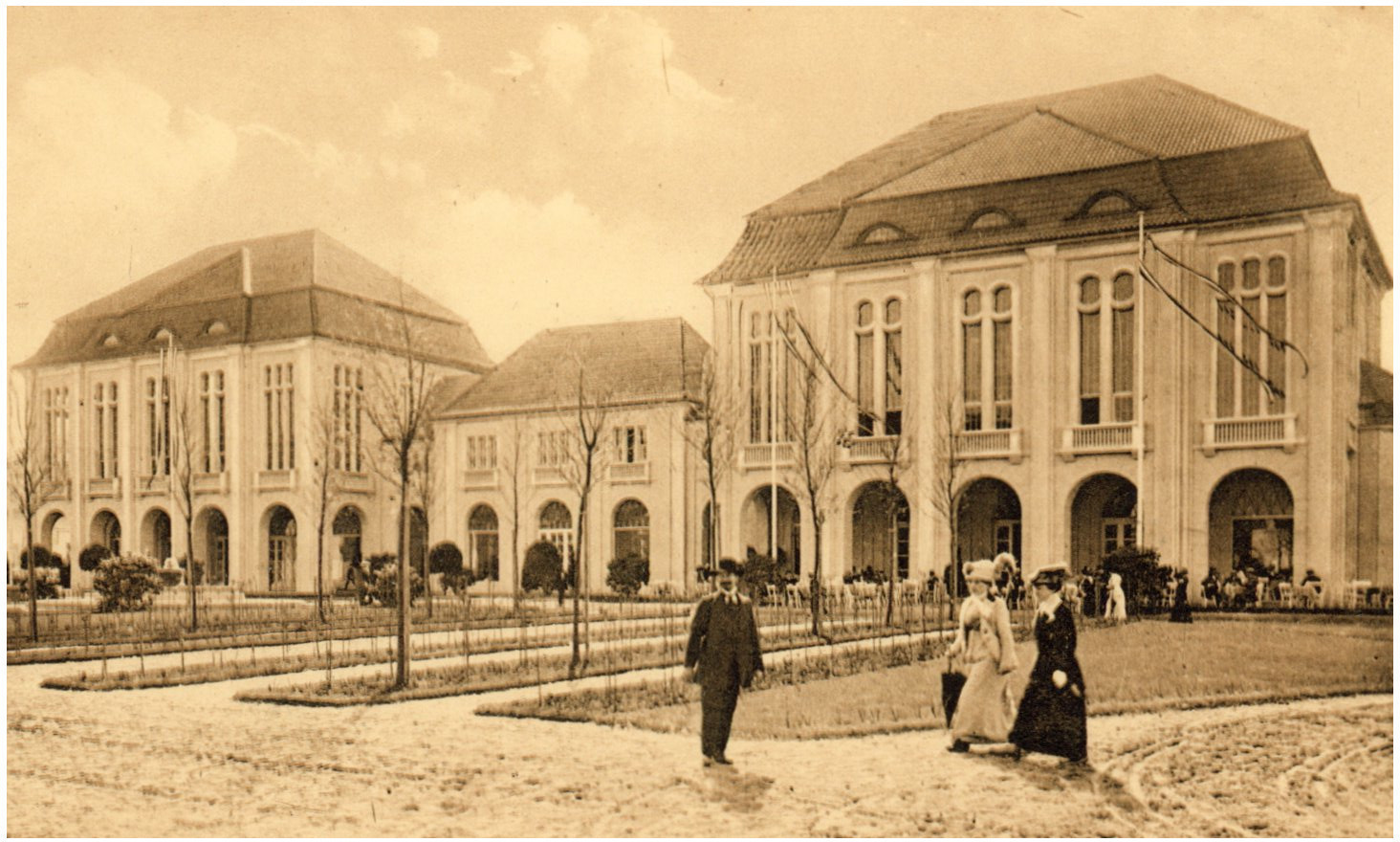
The German Exhibition Building
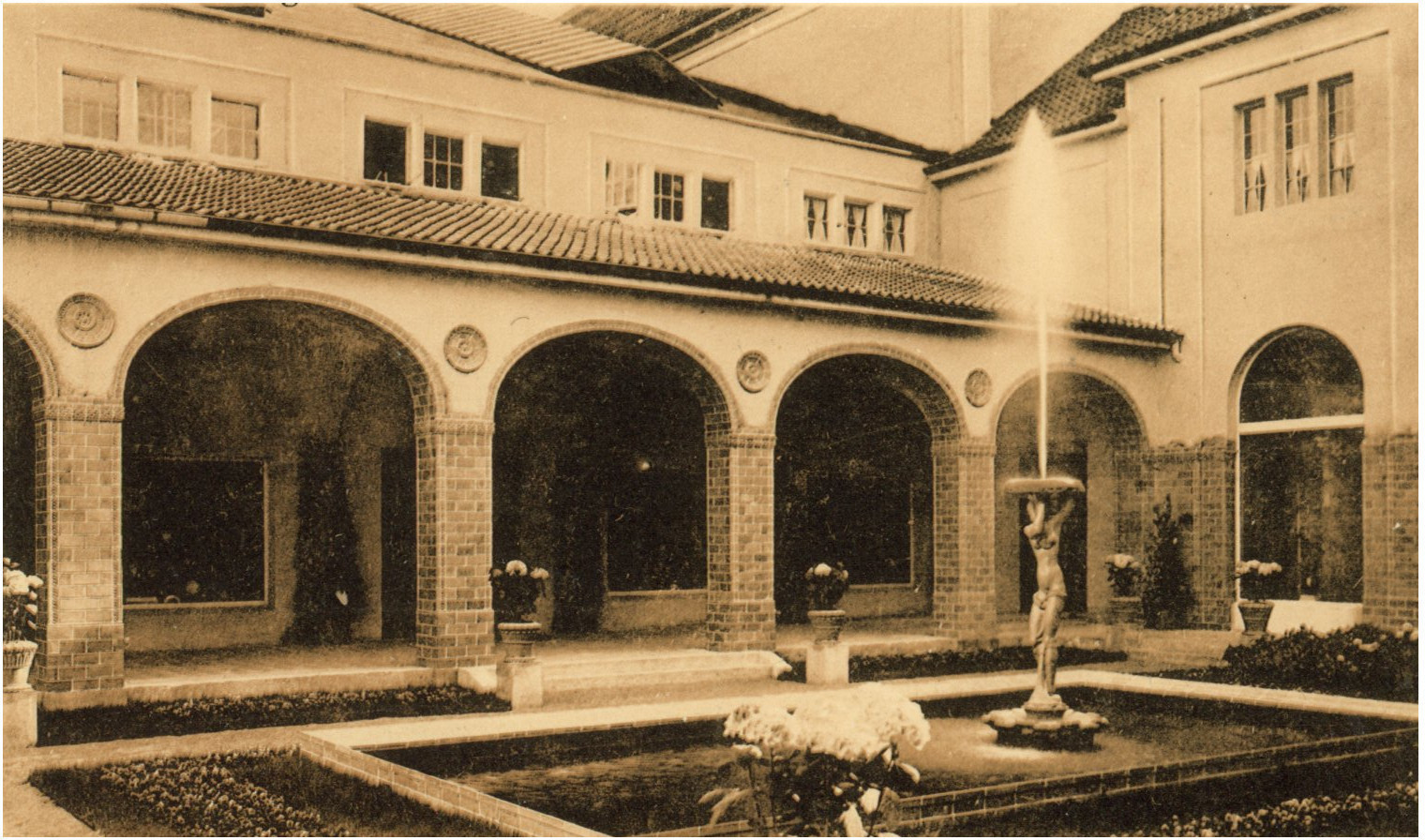
The Jugend architectural symbolic features could be seen in the German exhibition building’s stylish arcades around the central yard. The building and contribution of Germany was done by Hans Alfred Richter (Christenson et al., 1989).
The central yard in its Jugend style had a fountain made of majolica to which blueprints had been made by the Swedish architect Alfred Grenander in Berlin. The building was a two-floor construction in the Wertheim style with Manzard roof, 75 meters long and 15 meters wide. It had vestibules, arcades, and stairs, with exhibitions featuring artifacts from Emperor Wilhelm’s castle.
Germany’s contribution was said to have been granted 100,000 mark and totaled 16,000 square meters. Construction was dangerous: one worker died falling 16 meters during the build. On May 7, 1914, a German warship picked up German nationals called to serve in WWI.